


Help Us Celebrate Our 40th Season! Click left to donate and help support ALL of our Community Programs, Educational Series, Kid's Activities and our Local Events!
If you want to designate your donation to go to our Market Match Program, click here
Federal Tax ID# 35-2367794

Learning Center
October's Theme is "A Peek Underground"
Have you ever heard the phrase, "out of sight, out of mind?"
Our understanding of the natural world is often limited to what we can see as we look around: the plants, animals, and insects that we commonly interact with. Even when we think of soil, we tend to think only of topsoil—the part we plant in or can scoop with our hands.
However, there is so much happening underground that is not only vital to agriculture, but also absolutely fascinating! This month's learning center is devoted to what's happening underground, including seed germination, soil layers, mycorrhizal fungi, and soil micro- and macrobiology.
Let's take a peek underground!

Photo by Jonathan Kemper
This week in the learning center:
You've probably heard of mycorrhizal fungi, but do you know how important it is to plant life? Check out this informative post and video to see the first-ever time lapse of the relationship between mycorrhizal fungi and plants. How cool is that?!
Previously:
Week 3: We know soil is alive, but it's impossible to see a lot of the life with our naked eye. Check out the microbiology of soil and compost under a microscope in this video!
Week 2: Autumn is a great time for preparing your yard and gardens for the upcoming cool seasons, while keeping the beneficial insects and soil ecology protected and supported! There is a lot of information available through our local Master Gardener Program. Upcoming workshops with the Master Gardeners can be found here!
Week 1: Check out this cool time lapse of seeds germinating underground.


September was all about Raptors! "Help From Above"
Throughout this season, we have looked at beneficial organisms that naturally help keep gardens and farms healthy and thriving. It is worth remembering that help can come from above--WAY above--too!
The term "raptor" includes hawks, falcons, eagles, and owls, also known as Birds of Prey. Raptors are incredibly effective at controlling pests, including insects, rodents, and smaller birds. Here are some incredible statistics that just might blow your mind:
-
One mating pair of Red-Tailed hawks can consume up to 4 rodents per day each, adding up to over 1,000 per year!1
-
A single barn owl family consumes between 2,000 and 4,000 gophers, mice, and/or voles annually.2
-
A pair of American kestrels can eat over 500 mice and voles per year, alongside hundreds of grasshoppers and insects.3
This month, we will learn more about these amazing birds, including how we can help protect them!
1- LIVE Certification LLC
2- KQED Science, UCCE
3- Native Animal Rescue
Week 4: Let's talk about Kestrels! Widely regarded as our country's most beautiful raptor, American Kestrels are also effective hunters. Sadly, their numbers have declined by more than 65% since the 1960s. They nest in open tree cavities and can benefit from human-made nesting boxes. The Napa-Solano Kestrel Nest Box Project, managed by the University of California Cooperative Extension (UCCE), actively partners with local landowners to install and monitor nest boxes in vineyard-heavy counties. Click on the American Kestrel to check out a behind-the-scenes video watching a Kestrel couple raise their chicks!
Week 3: Barn owls are famous for their white, heart-shaped faces and silent flight. They are also deadly predators and highly sought-after on farms and in vineyards for natural pest control. They have the most precise hearing ever tested in an animal (wow!), which makes them incredible hunters, even in the dark. Check out this fascinating video, all about the diet of these raptors and how "owl pellets" containing the, um, leftovers of their prey, are formed.
Week 2: Wings over Wine Country: Check out this awesome video of local Master Falconer Rebecca Rosen, as she works with her falcons to scare away vineyard pest birds at Bouchaine vineyards!
Week 1: Check out this great resource all about raptors! From EOrganic, the online publication from the Extension Foundation, this resource has great photos of each raptor, and includes information to help identify them, then learn about their pest control abilities and management needs.
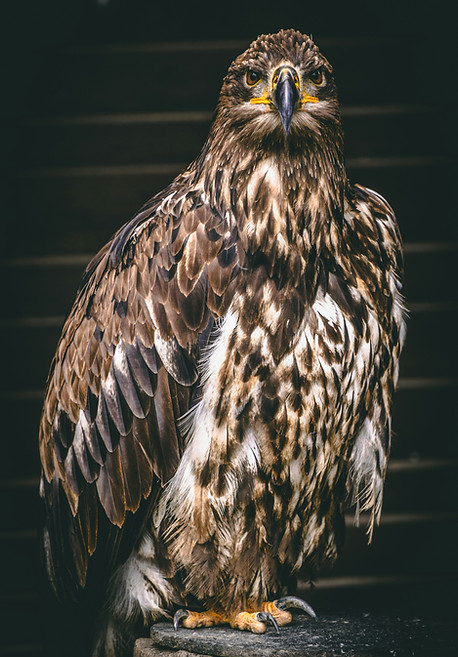
Photo by Jonathan Kemper
Photo by Jonathan Kemper


August's educational theme was "Wild in the Garden!"

In August, as our gardens reach their peak production, we will look at all the life happening there! Do tomatoes really grow better with carrots planted between them and marigolds nearby? Is there a benefit to allowing a few carrots or cilantro to flower? As flowers bloom, might we consider leaving a few to go to seed? Will we save those seeds or allow the birds to eat some? As native plants reach the end of summer flowering, how can we manage them to support the insects depending on them as habitat in fall and winter?
These are some questions we might consider at the end of summer. While some of us might prefer neat, tidy rows of highly managed crops, there are many benefits to allowing your garden to "wild" a little (or a lot!).
Week 4: Think that insects can only thrive in surrounding forests, parks, and other wild areas? Think again! Your backyard, no matter how big or small, can provide a haven for a huge diversity of insects! This can bring many benefits, such as increased pollination if you have a garden, natural control of pest insects, abundant food for songbirds and lizards, and more. Learn more in this great free guide from Xerces about how to make your backyard great insect habitat!
Week 3: Saving your garden seeds is a great way to save money and maximize the built-in intelligence of plants. Seeds saved from your garden will be better adapted to your specific microclimate and soil conditions. Saving seeds is also fun, and can benefit local wildlife such as birds! Learn more by clicking on the seeds!
Week 2: Just like humans, some crops are naturally friendly companions, and some . . . well, aren't. "Companion planting" is the practice of pairing mutually beneficial plants together in the garden- like carrots and tomatoes, or the "Three Sisters" (corn, beans, and squash). Learn more about companion planting here!
Week 1: Bring joy and purpose to your garden by integrating native plants! The California Native Plant Society (CNPS) has created a 7-step guide to bringing biodiversity to your garden. Click on the flower below for the guide. Now go get wild!
July was all about "Compost Heroes!"

In July, we will discover the process of decomposition. While soil may seem to be dead, it is actually teaming with life! In compost, we find many different types of insects, "myriapods" (like millipedes and centipedes), arachnids, animals (like worms), bacteria, and fungi. WOW! That's a lot of life!
Composting is a process of decomposition. Much of the life present in soil is actively decomposing organic matter like leaves, roots, wood, and other plant, animal, and insect waste material. Decomposition allows nutrients to be recycled and become available for plants to use. Without this process, life on earth would be vastly different and potentially impossible.
Week 4: Microbes are essential to life! And yet, do we even understand what they are? Check out this cool video to learn about microbes in soil!
Week 3: Fungi are one of the most important decomposers on earth! And their tiny, root-like fibers, or mycelia, help plants absorb nutrients and even communicate between one another! But . . . are they good or bad in the garden? Click on your favorite mushroom to find out!
Week 2: Earthworms are one of our favorite compost heroes! (And this year they happen to feel quite good about themselves as the 2026 Annual Art Competition winners!)
Check out this time-lapse video of a worm compost bin. A glass side panel allows us to see what skilled decomposers they are!
Week 1: learn all about decomposition in this cool YouTube video!


June's Theme was "Pollination Station!"

June is the time when the frenzy of Spring begins to relax into the sunny heat of Summer.
As flowers abound during this time, the honeybees, native bees, butterflies, wasps, beetles, and flies who pollinate the flowers begin to wake up and get buzzing!
We celebrate not only our more flashy, beloved pollinators, but our under-appreciated pollinators as well. Thank you to the night crew who pollinate while other sleep- our bats and moths!
Did you know? Without pollination, all life on earth would cease to exist! So please take a moment and thank the next fly, wasp, or butterfly you see!
Check out the amazing hover fly! This pollinator gets a bad rap, since people often confuse it for a bee or wasp! It is actually a fly and a very efficient pollinator. Its larvae also eat aphids! Now that is what I'd call a true Farmers' Helper! Click on the hover fly to learn more!


Generously sponsored by Louis M. Martini Winery
Past Topics of Interest

How Can We Help Bees This Time of Year?
Learn more about Beesponsible gardening
Where Do Bees Go In Winter?
What happens to bees when the weather grows cold? Find out here!

Fall is the Perfect Time for Bird Watching
With our state's largest river and abundance of wetlands, Yolo County makes for a nearby favorite spot for bird watching


Let's Learn About The Greatness of Bats!
General Information Video
Napa County Master Gardeners blog on bats
Pallid Bat Lives in Napa County
Quick Bat Facts for Kids
Why Certain Plants Have Evolved to Produce Certain Scents
When it comes to plant aromas, we tend to forget that we, as humans, are not the target audience, and these odors were not designed with us in mind—we are really passive spectators to a show that luckily most of us happen to enjoy.” Here's a very interesting article about why certain plants have evolved to produce certain scents.

The Role of Decomposers
Check out this National Geographic article about the role of decomposers. What are they and how do they work?
Grades 5 - 8
Generously sponsored by Louis M. Martini Winery